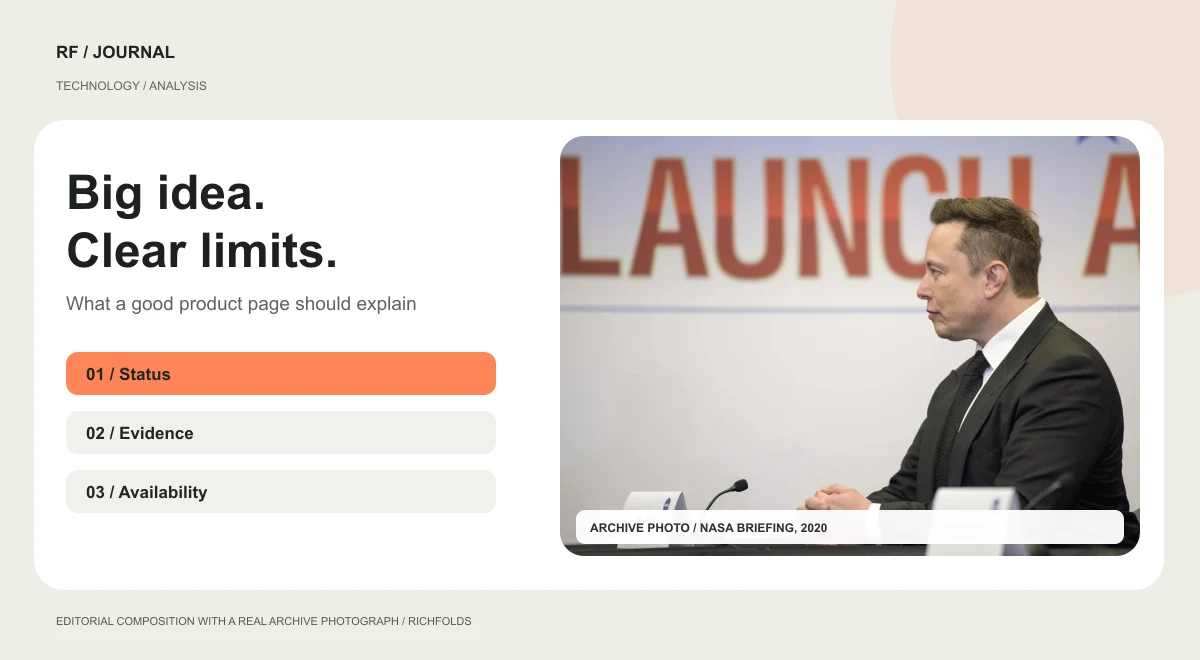
Cover uses a dated archive photograph in an original RichFolds editorial layout.
An extraordinary demonstration earns attention. A useful product website must do something harder afterward: tell people exactly what the demonstration means for them.
The renewed interest in Elon Musk’s airborne Roadster is a good example. A viewer may see a dramatic clip and immediately form several assumptions: the feature is available, it belongs to every version, it can be used anywhere and delivery is close. None of those assumptions follows automatically from a demonstration.
For teams selling software, AI features, websites or physical products, this is a familiar communication problem. The impressive moment and the practical buying decision need different information. A well-designed page connects them without allowing excitement to fill gaps in the evidence.
This article uses the Roadster conversation as an editorial example. It is not an audit of Tesla’s complete purchase journey, a claim about its intentions or a measured RichFolds client case study.

Give every capability a visible status
Consider five labels: concept, demonstrated, in testing, available to selected customers and generally available. They describe different stages, even when the same short video could appear beside all five.
A product page should put the relevant status beside the capability itself. Readers should not have to infer it from the existence of a button or find it in a distant footnote. The label should also identify who can use the feature and under what conditions when those details are known.
For example, an AI store assistant might work with a sample catalog in a supervised demonstration. Describing that as a working prototype is accurate. Describing it as a feature that answers every real customer question would add an unsupported promise.
The same principle applies to dramatic physical products. Demonstrating a behavior and shipping it as a customer feature are separate milestones. Clear status labels let a business show progress without treating every milestone as a finished product.
Make the media explain the evidence
A video thumbnail, caption and headline work together. When one promises more than the others establish, readers can leave with a mistaken understanding even if every sentence is technically defensible.
Useful captions answer a small set of practical questions: what is shown, when it was recorded, whether the conditions were controlled and whether the pictured configuration matches the product being discussed.
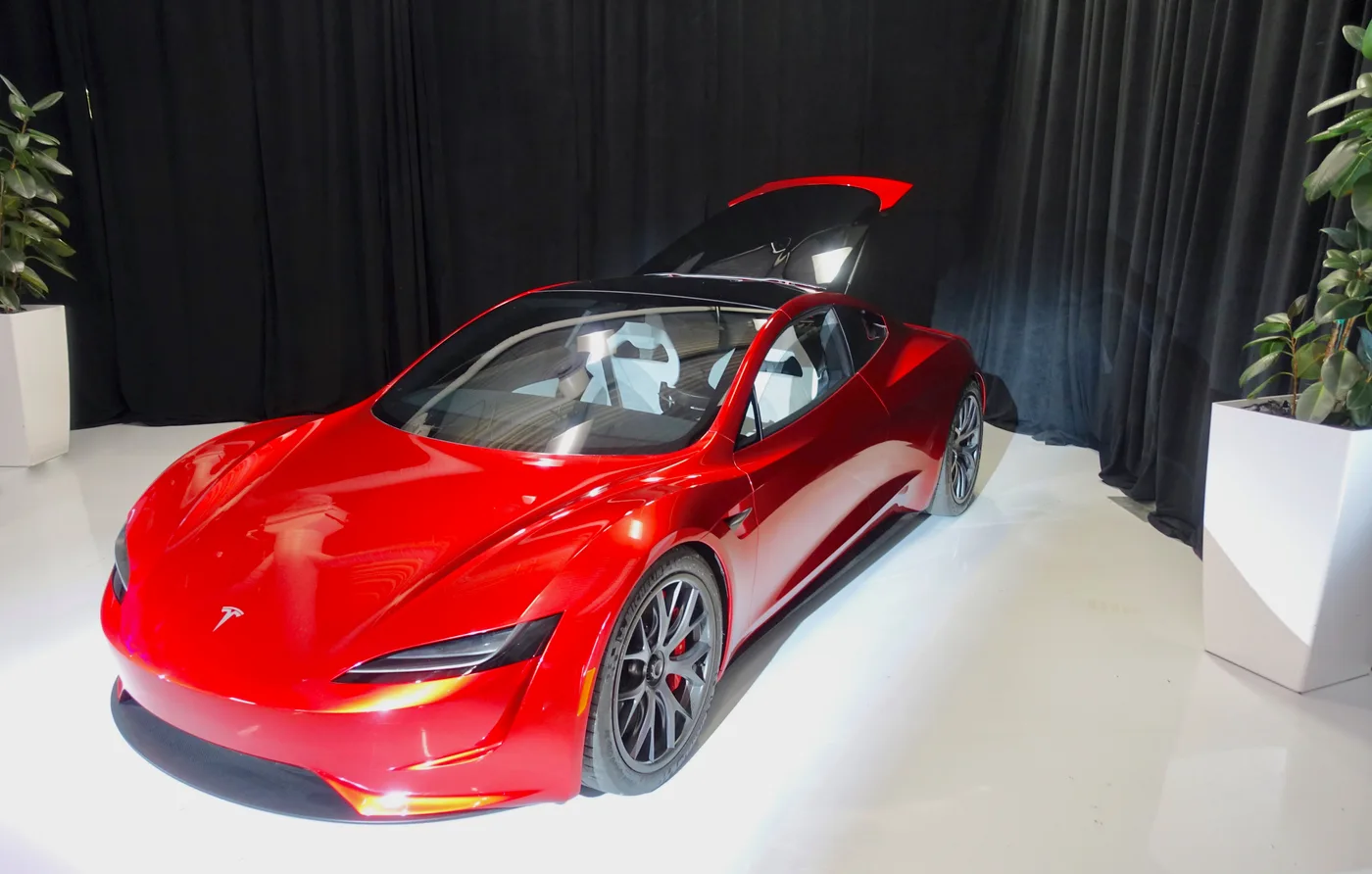
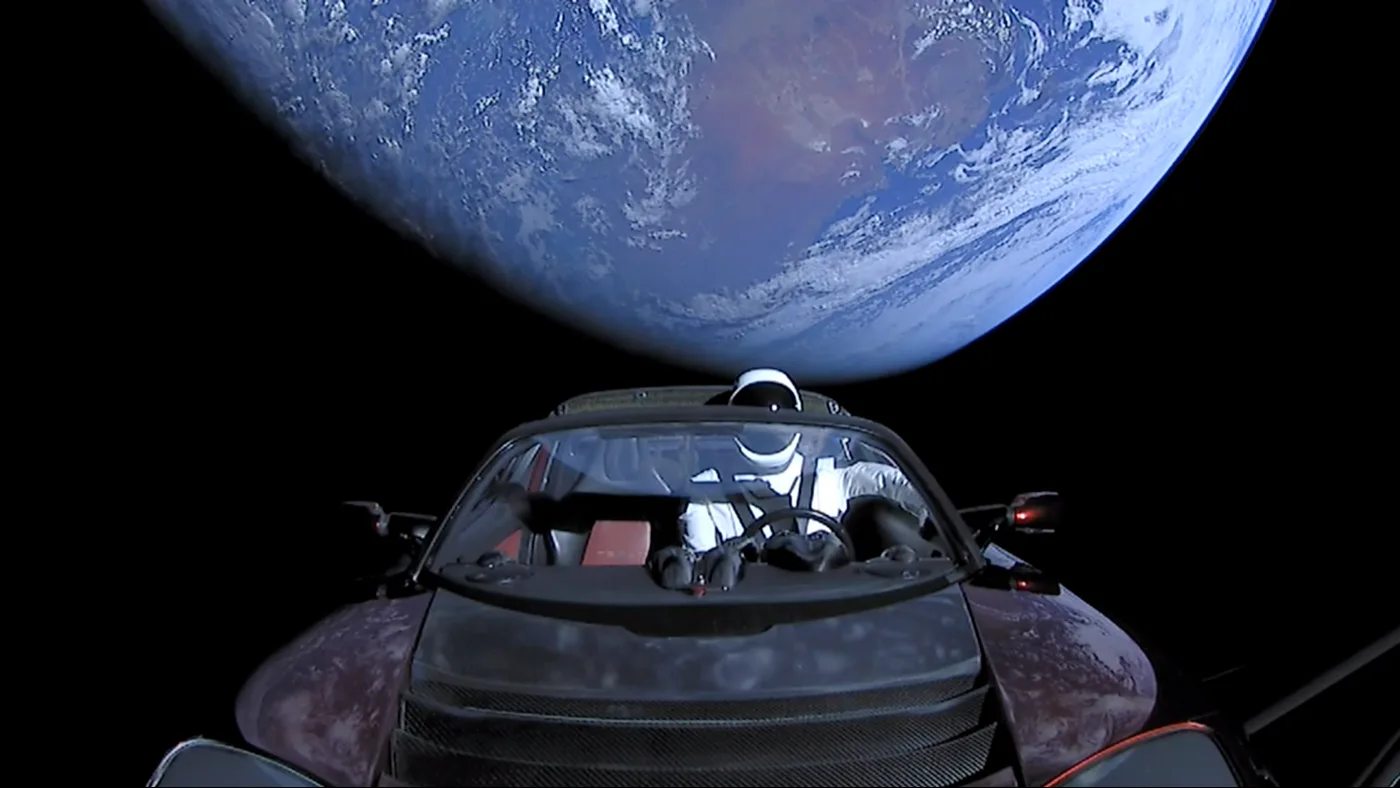
Archive photographs need equally clear treatment. A real 2019 prototype photo should not silently become a picture of a newly revealed 2026 vehicle. A 2018 image of a car carried into space should not become proof of a road car flying under its own power.
That distinction matters when generative images circulate alongside genuine photographs. The first task is to establish provenance and context. Searching for visual glitches is not enough to establish authenticity or explain what a genuine image actually proves.
Separate the demonstration page from the specification
A launch story can be emotional and cinematic. A specification should be explicit enough to support a decision. Trying to make one replace the other usually creates avoidable ambiguity.
For a CMS or ecommerce product, the specification might explain supported platforms, required plans, integrations, human review and known limits. For a physical product, it might identify a particular configuration, its intended use and what remains subject to confirmation.
A useful page structure is:
- A concise explanation of the capability and its current status.
- A clearly identified demonstration, with contextual captions.
- A specification tied to the exact version being described.
- Availability and eligibility information.
- Limits, dependencies and unanswered questions.
- An action button that accurately describes the next step.
The last item matters. “Watch the demo,” “join the waitlist,” “request access” and “buy now” describe different commitments. Choosing the most exciting label does not make the underlying action more advanced.
Use AI to organize evidence, not manufacture certainty
AI can help an editorial team turn a launch announcement into a structured list of claims. It can identify the figures that need checking, separate specifications from forecasts and suggest clearer wording for limitations.
Those are proposed editorial uses, not a promise that a model will verify the facts correctly. The team still needs to open the original material, check the relevant date and confirm that each statement applies to the version being discussed.
An especially useful working document has four columns: claim, evidence, scope and public wording. If a row has no reliable evidence, the solution is to qualify or remove the claim. Asking AI to make the wording more confident does not fill the empty evidence cell.
For images, keep a separate record of the original file, creator, date, permission and caption. The file should not become detached from that record when it moves into the CMS. A photograph can be technically real and still be used misleadingly if its identity is lost.
Write uncertainty at the point of decision
Suppose a product is demonstrated today but has a future production target. A reader who is considering paying a deposit needs to understand that timing before taking the action, rather than discovering it after following several promotional links.
The same reasoning applies to a business buying an AI integration. If an answer requires human approval, put that information near the proposed workflow. If an integration depends on a specific account or platform capability, describe the dependency before the customer assumes it is included.
This is a design problem as well as a writing problem. Contrast, placement and hierarchy determine whether a qualification is seen. A vague headline followed by a precise but nearly invisible disclaimer leaves the most important communication work unfinished.
These recommendations are about clarity. We are not claiming that a particular label or layout has produced a measured conversion increase.
Keep a change history that corresponds to real changes
Fast-moving product stories do not stay accurate automatically. A page needs a review owner and a reason to be reviewed: a new specification, a changed target, a demonstrated capability or confirmed availability.
When something changes, update the affected statement and record what changed. Avoid rewriting a publication date simply to make an old article appear new. The meaningful information is which claim was checked and what the new evidence established.
For a business website, this can be a modest CMS workflow. Store the evidence privately, assign a reviewer, update the public wording and check the rendered page. No elaborate automation is needed to begin. AI can help flag contradictions, but a person must resolve them against the evidence.
The same record can prevent old promotional images and earlier specifications from being reused accidentally in a later launch article.
Our view: attention should lead to understanding
The Roadster conversation shows how quickly an extraordinary product idea can become a collection of assumptions online. A business does not have to remove the excitement to communicate responsibly. It needs to make the next layer of information easy to find.
Show the ambition. Identify the stage. Label the media. Explain the limits. Make the next action match what is actually available.
For RichFolds, that is the useful connection between a flying-car story and the websites we build. A polished interface should help visitors understand a product, including its unfinished parts. Otherwise the page may look impressive while leaving the central customer question unanswered.
If you are developing a launch page or an AI-enabled buying journey, our website services and project enquiry page explain how to start a conversation about it.